Advancing Shipment Visibility Through Warehouse RFID
Connected labels, readers, and operational systems create clearer handoffs from inventory receipt through outbound carrier pickup.
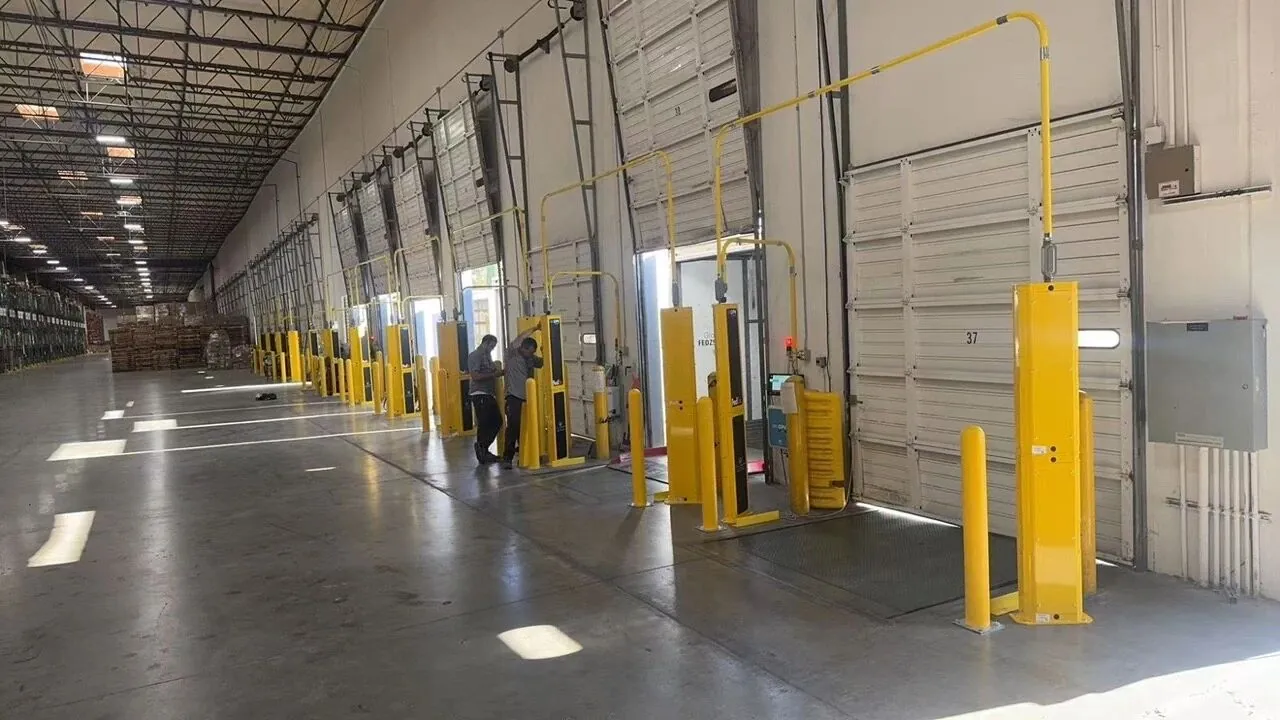
LC Warehousing continues to connect facilities, people, technology, and transportation around the needs of each customer. This update highlights how that operating model is evolving in practice.
More Reliable Product Identification
RFID-enabled workflows allow warehouse teams to identify multiple tagged items without relying on a direct line of sight. When integrated into receiving and outbound processes, the technology can reduce manual scans and provide an additional layer of verification.
LC uses connected readers and operational checkpoints to capture movement at the moments that matter. The result is a clearer record of when inventory arrives, moves through the facility, and reaches carrier handoff.
Visibility That Supports Faster Decisions
RFID data becomes most useful when it connects with warehouse and customer-facing systems. Operational teams can compare planned activity with observed movement, identify exceptions sooner, and focus attention where it has the greatest impact.
Customers benefit from more timely status information and stronger traceability across outbound handling. This helps service teams answer questions quickly and supports better coordination between the warehouse, transportation partners, and destination locations.
Building the Connected Warehouse
RFID is one part of LC’s broader connected-operations strategy. By combining smart identification, automation, and shared data, each workflow can become easier to verify and improve over time.