Connecting Ports, Warehouses, and Final Delivery Through One Operating Network
Integrated import logistics reduce handoffs and give customers a more resilient path from international arrival to final destination.
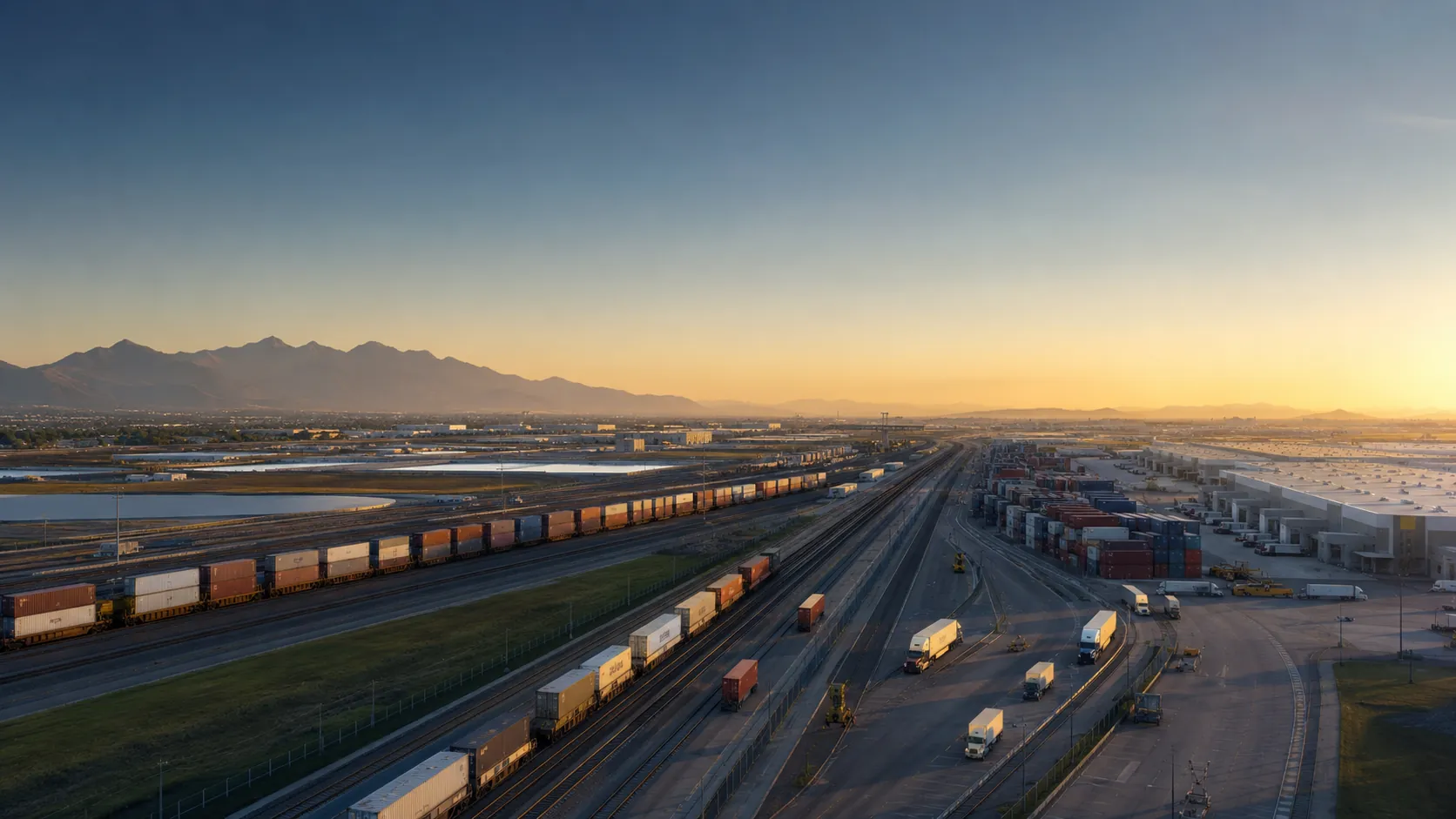
LC Warehousing continues to connect facilities, people, technology, and transportation around the needs of each customer. This update highlights how that operating model is evolving in practice.
Reducing Friction After International Arrival
The journey from port arrival to final delivery often involves multiple providers, disconnected updates, and avoidable waiting time. An integrated operating model connects drayage, transloading, storage, fulfillment, and transportation around one shared plan.
LC coordinates appointments and capacity before cargo becomes available, helping teams prepare for container pickup and downstream handling. Clear ownership across each stage reduces the time spent reconciling separate providers.
The Warehouse as a Control Point
Warehousing provides more than storage within an import program. It creates a point where products can be inspected, sorted, labeled, configured, and allocated to the next destination based on current demand.
Shared inventory and shipment visibility allows customers to make decisions with better information. Products can move to retail locations, fulfillment facilities, project sites, or final customers through the route that best fits each requirement.
Resilience Through Connected Options
A connected network gives customers more flexibility when port conditions, delivery schedules, or inventory priorities change. By coordinating physical operations and data across the journey, LC helps supply chains respond without losing control of service or cost.